Twin Wire Arc Spray (TWAS) Services in India

HIGH PERFORMANCE SURFACE METALLURGY

Twin Wire Arc Spray (TWAS) System | Cost-Effective Thermal Spray Coating

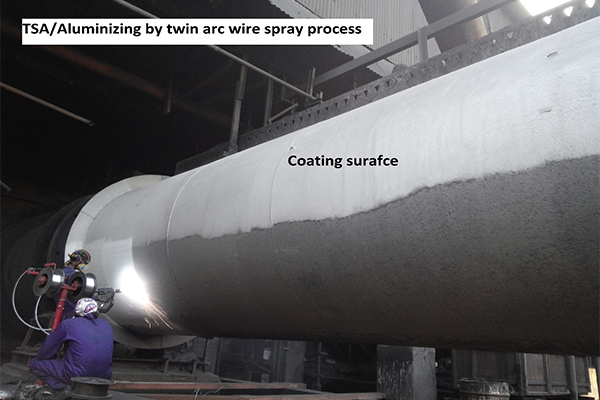
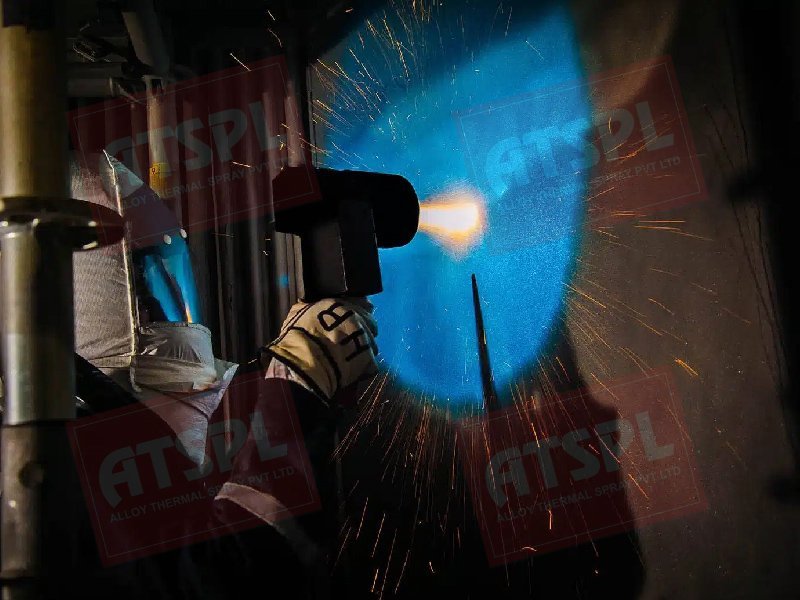
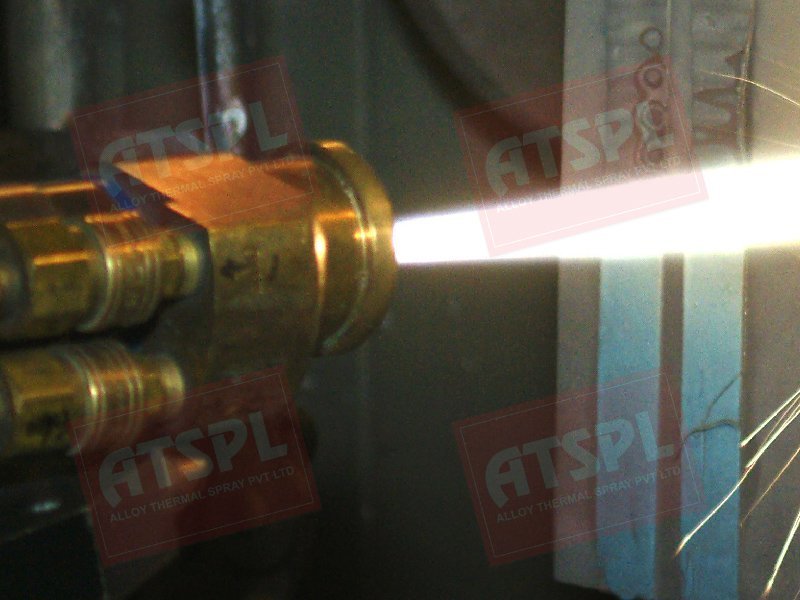
In this spraying technique, two wires from the coating material are melted using a short circuit arc (electric spark) of direct current electricity at the nozzle of the spraying gun. After that, the formed tiny material droplets are atomized and sprayed onto the substrate with compressed air.

Electric arc spraying and gas-flame spraying techniques both come under wire arc spray processes. It is also known as the TWAS System or can also be simply called as Arc Spray Method . All types of metal and alloys in the form of wire are used in arc spraying material. This wire arc coating provides moderately thick coatings to restore heavily damaged equipment. They can simply be used to provide increased wear resistance than the original component substrate.
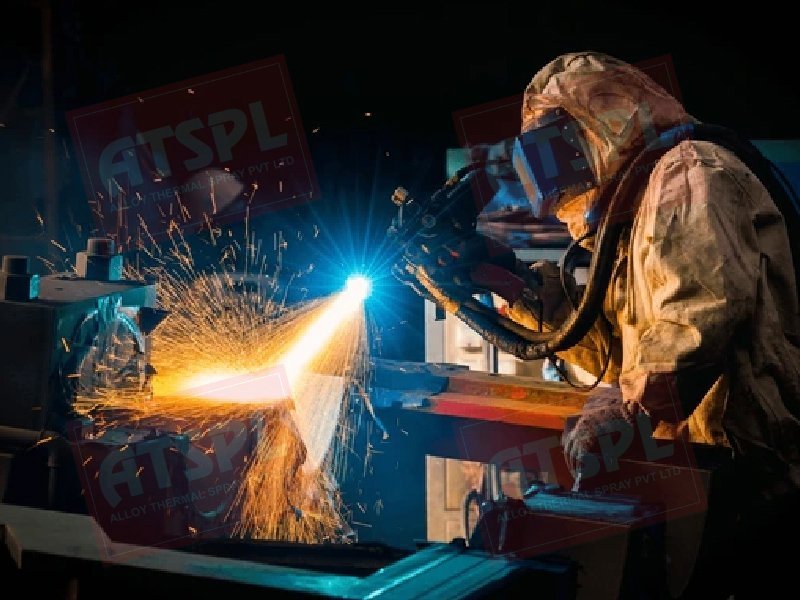
In-Situ Onsite Capability Zero Heat Distortion High Bond Strength 24/7 Field Deployment
TECHNICAL SPECIFICATIONS

Key Advantages & Industrial Applications

Advantages:

  • Cost Effective & Fast Service
  • Low operation cost
  • High efficiency of productivity
  • Low heat input to the substrate and variant materials available for spraying
  • Resistant to many corrosive environments
  • Galvanically active and sacrificial coatings
  • Resistance to wear, erosion and cavitation
  • High temperature, oxidation resistance
  • Prevention of biofouling materials
  • Dimensional restoration
  • Controlled surface profiles or textured surfaces
  • Gripping and anti-skid surfaces
HAVE QUESTIONS?

Frequently Asked Questions

Explore authoritative engineering answers regarding our thermal spray coatings, turnaround times, and on-site deployment capabilities.

Two consumable metallic wires carrying opposite electrical charges are fed into a spray gun where an electric arc melts the tips. Compressed air atomizes the molten metal and propels it onto the substrate.

TWAS offers exceptionally high deposition rates (up to 15 kg/hr), lower operating costs, high bond strength, and lightweight portable equipment suitable for tight boiler interiors and high elevation scaffolding.

Common wires include Nickel-Chromium (NiCr 80/20), Nickel-Chrome-Titanium, Stainless Steel (316L, 420), Zinc, Aluminum, Babbitt, Monel, and specialized flux-cored wear-resistant alloys.

A clean, dry substrate grit-blasted with chilled iron grit or aluminum oxide to Sa 2.5 cleanliness and a surface roughness profile of 60 to 90 microns is required for optimum mechanical anchoring.

Yes. Because heat transfer to the substrate is minimal, arc spraying does not alter the microstructure or wall thickness of tubes, preventing blow-outs and thermal distortion.

Need Customized Surface Protection for Your Plant Assets?

Our specialized metallurgy and field engineering teams provide immediate turnaround, emergency shutdowns, and in-situ thermal spray metallizing across India.