Thermal Spray Zinc (TSZ Application) Coating Services in India

HIGH PERFORMANCE SURFACE METALLURGY

Thermal Spray Zinc Coating

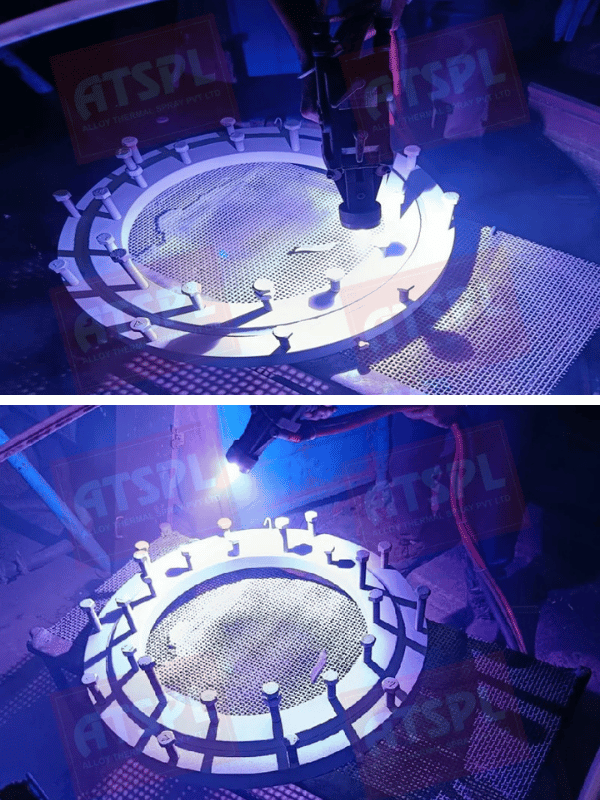
TSZ Coating (Thermal Spray Zinc Coating) is one of the extremely useful and trusted techniques of corrosion protection, by giving galvanic and hurdle coating protection to steel and iron in various industries. As the name itself says, it is a method of coating where zinc is softened by heating then the small molten droplets are applied onto the affected or ready surface where they form a thick protective zinc coating. Zinc Thermal Spraying is widely utilized for long-lasting corrosion protection of heavy equipment and structures in the maritime sector. In this coating process, zinc is sprayed using an electric arc or a combustion flame using two consumable zinc wire electrodes, allowing higher deposition rates with enhanced economy. Our offered service includes a process where zinc or zinc alloys are melted and then sprayed onto a structure forming a thick layered coating.

In-Situ Onsite Capability Zero Heat Distortion High Bond Strength 24/7 Field Deployment
TECHNICAL SPECIFICATIONS

Key Advantages & Industrial Applications

Application:

  • Disinfection
  • Heat insulation
  • Heat resistance
  • Anti-microwave radiation
  • Corrosion resistance
  • Wear resistance
  • Oxidation resistance
  • Hardness
HAVE QUESTIONS?

Frequently Asked Questions

Explore authoritative engineering answers regarding our thermal spray coatings, turnaround times, and on-site deployment capabilities.

Unlike hot-dip galvanizing, TSZ has no bath size limitations, causes zero heat distortion, produces no toxic fumes on-site, and allows customized thickness ranging from 75 microns to over 300 microns.

Zinc is electrochemically more active than steel. If the coating is scratched or damaged in service, the surrounding zinc sacrifices itself to protect the exposed steel substrate from rust.

TSZ is widely used on structural steel bridges, transmission towers, offshore cranes, wind turbine towers, lock gates, and architectural steel exposed to atmospheric weathering.

Substrates must be grit-blasted to Sa 2.5 or Sa 3.0 standard with a sharp angular profile of 50 to 75 microns to ensure superior mechanical interlock and adhesion.

Yes. Applying a sealer coat or an epoxy/polyurethane duplex paint system over TSZ extends total service life by 1.5x to 2.5x through a synergistic duplex protective effect.

Need Customized Surface Protection for Your Plant Assets?

Our specialized metallurgy and field engineering teams provide immediate turnaround, emergency shutdowns, and in-situ thermal spray metallizing across India.